

Exploring the intriguing evolution of gambling throughout history
The Origins of Gambling
The origins of gambling can be traced back thousands of years to ancient civilizations such as the Chinese, Egyptians, and Romans. Archaeological evidence suggests that games of chance, including dice, were popular in these cultures. For instance, the earliest known dice, dating back to around 3000 BC, were discovered in India. These early forms of gambling primarily served both recreational and spiritual purposes, as they were often tied to religious ceremonies or rites of passage. Today, many players explore strategies for slot machines, finding various methods to enhance their chances of winning.
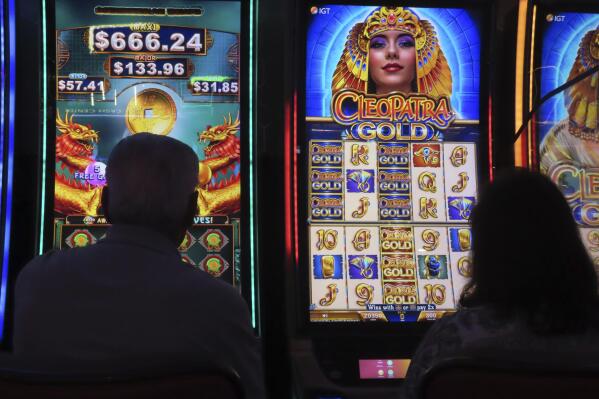
In addition to dice, card games also emerged in ancient China, believed to date back to the Tang Dynasty around the 9th century. These games laid the foundation for modern card playing, evolving through various cultures and regions. By the time gambling spread to Europe, it had transformed into a more structured and regulated activity, often associated with social gatherings and festivities.
The Romans contributed significantly to the evolution of gambling, introducing sophisticated betting systems for chariot races and gladiatorial contests. Public games became a way for citizens to engage with their favorite athletes and events. This early adoption of organized gambling established norms and regulations that would influence future gambling practices worldwide, highlighting the integral role of gambling in social interaction and entertainment.
The Middle Ages and the Rise of Gambling Houses
The Middle Ages saw a notable shift in gambling practices, particularly with the establishment of dedicated gambling houses. As cities grew, so did the popularity of gambling, leading to the emergence of establishments specifically designed for this purpose. These venues offered various games, from dice and card games to emerging forms of betting. The first known gambling house, or ‘gaming house,’ appeared in Italy during the 16th century, setting the stage for what would become modern casinos.
This period also witnessed the birth of many classic gambling games, such as poker and blackjack. As they gained popularity, these games spread across Europe and beyond, leading to diverse variations tailored to local cultures. Furthermore, the rules and structures of gambling started becoming more formalized, resulting in an increase in both recreational play and serious gambling, where substantial sums of money were at stake.
The influence of the Church during the Middle Ages had mixed effects on gambling. While some factions condemned it as sinful, others recognized its potential for revenue through taxation. This ambivalence led to a complex relationship between gambling and societal norms, ultimately leading to its regulation. By the late 17th century, various European countries began legalizing gambling, paving the way for its acceptance in mainstream culture.
The Birth of Modern Casinos
The 18th century marked the dawn of modern casinos, with establishments like the Casino di Venezia in Italy and the famous Baden-Baden Casino in Germany setting new standards for gambling experiences. These venues offered not only games but also elaborate settings, complete with dining options and entertainment, drawing affluent patrons seeking a night of luxury and chance. The rise of these casinos symbolized a cultural shift, where gambling became a glamorous social activity.
As casinos gained popularity, the games played within them also evolved. The introduction of roulette and baccarat attracted a wider audience and brought about new betting styles. These games became synonymous with high society, further entrenching gambling in social customs. The allure of casinos extended beyond the games; they became social hubs where people mingled, celebrated, and embraced the thrill of risk.
Throughout the 19th century, the expansion of casinos continued across Europe and into the United States. The establishment of gambling laws and regulations transformed these venues into legitimate businesses, often heavily regulated by the government. This era laid the groundwork for the modern casino industry, which emphasizes player protection, responsible gambling, and state revenue generation. Today, casinos are a global phenomenon, attracting millions of players seeking both excitement and relaxation.
The Digital Transformation of Gambling
The late 20th and early 21st centuries ushered in a digital revolution that dramatically transformed the gambling landscape. With the advent of the internet, online gambling platforms emerged, allowing players to participate from the comfort of their homes. This innovation revolutionized traditional gambling by offering a vast array of games, from slots to live dealer options, accessible at any time. Online casinos rapidly gained popularity, catering to a new generation of tech-savvy gamblers.
As the digital landscape continued to evolve, mobile gaming became a significant trend. Players could now access their favorite games through smartphones and tablets, further enhancing convenience and engagement. The rise of social media also impacted gambling by fostering communities around various games, allowing players to share experiences, strategies, and successes. This interconnectedness has created a more vibrant and interactive gambling culture.
Regulation has also adapted to this new digital age. Many countries have implemented laws governing online gambling, ensuring player protection and fair play. Licensing authorities have emerged to oversee the burgeoning online gambling market, creating a safe environment for users. The digital transformation of gambling has not only expanded accessibility but has also prompted ongoing discussions about responsible gambling practices and the potential risks associated with online gaming.
The Future of Gambling: Innovations and Trends
Looking ahead, the future of gambling appears ripe for innovation, with advancements in technology paving the way for exciting new experiences. Virtual reality (VR) and augmented reality (AR) are poised to revolutionize how players interact with games, offering immersive environments that mimic physical casinos. These technologies can create an engaging atmosphere that enhances the thrill of gambling, attracting a broader audience.
Additionally, cryptocurrencies are gaining traction in the gambling industry, providing players with an alternative to traditional banking methods. The integration of blockchain technology ensures secure transactions and enhances transparency, appealing to those seeking anonymity and safety in their gambling activities. As more online casinos adopt these currencies, the gambling ecosystem is becoming more versatile and accommodating.
Furthermore, the emphasis on responsible gambling continues to grow, with operators actively promoting safer gaming practices. Initiatives such as self-exclusion tools and in-game limits are becoming standard features, ensuring that players can enjoy gambling responsibly. The industry’s future will likely hinge on balancing innovation with player welfare, creating a sustainable and enjoyable gaming environment.

Gambiva Casino: A Modern Gaming Experience
Gambiva Casino represents the latest evolution in the world of online gaming, having launched in 2024 to cater to the demands of modern players. With a comprehensive selection of slots, live casino tables, and a sportsbook, Gambiva offers an all-in-one gaming experience tailored to individual preferences. The platform is designed with user experience in mind, ensuring seamless navigation and accessibility across devices. Players looking for an exciting online venue can explore Gambiva casino, which emphasizes convenience and engagement.
Players at Gambiva can benefit from rapid deposits and withdrawals, with a dedicated support team available 24/7 to assist with any inquiries. New users can take advantage of an enticing welcome bonus, while ongoing promotions keep the gaming experience fresh and exciting for returning players. Gambiva’s commitment to providing an exceptional gaming environment reflects the advancements in the gambling industry, marrying technology with player-centric features.
As the gambling landscape continues to evolve, Gambiva Casino stands at the forefront of innovation. Its dedication to enhancing user experience, along with its broad game selection, makes it a compelling choice for both seasoned gamblers and newcomers alike. With a focus on responsible gaming and customer satisfaction, Gambiva is poised to shape the future of online gambling, ensuring an engaging and enjoyable experience for all players.