

The forgotten origins of gambling tracing its historical evolution
The Earliest Beginnings of Gambling
The origins of gambling can be traced back to ancient civilizations where games of chance were integrated into social and religious practices. In ancient China, around 2300 BCE, rudimentary forms of gambling emerged, often associated with divination rituals. The use of tiles for games and betting on the outcomes of events was commonplace, demonstrating that the desire to predict and influence fate has been a fundamental human impulse for millennia. As you explore these historical dimensions, you might also be interested in trying the aviator game, which captures the essence of modern betting excitement.

Similarly, the ancient Egyptians participated in various forms of gambling, including betting on the outcomes of dice games, which were often played during religious festivals. These early manifestations of gambling were not merely for entertainment; they were deeply rooted in culture and tradition, intertwining the concepts of luck, fate, and spirituality. This historical context lays the foundation for understanding why gambling became so pervasive throughout human history.
As societies evolved, so did gambling practices. The Greeks and Romans embraced games of chance as part of their leisure activities, with dice being a popular choice. These civilizations refined gambling into organized games, setting the stage for more structured forms of betting that would emerge in later centuries. The acceptance of gambling during these ancient times highlights its enduring appeal and the inherent desire to engage in risk and reward.
The Role of Gambling in Medieval Societies
During the medieval period, gambling evolved significantly as it became more formalized and regulated. The establishment of gambling houses and betting games flourished, particularly in Europe. The Church viewed gambling with suspicion, associating it with vice, yet it remained popular among the populace, especially among the nobility who used it as a social tool to display wealth and status. Tournaments often included gambling on the outcomes, adding a layer of excitement to competitions.
In addition to gambling houses, card games emerged as a favored pastime, spreading from Italy to other parts of Europe. These games showcased not only chance but also strategy, allowing players to combine skill with luck. The development of these games reflects societal changes, as they transitioned from informal settings to organized competitions. The medieval period was instrumental in shaping the gambling landscape, making it more accessible and socially integrated.
Moreover, the introduction of printed playing cards in the 15th century revolutionized gambling, leading to widespread popularity. As card games became synonymous with entertainment, they also began to attract the attention of legislators. The rise of gambling during this era sparked discussions about morality and regulation, indicating an early acknowledgment of gambling’s psychological impact on society, a theme that would resonate in future generations.
The Influence of the Renaissance and Enlightenment
The Renaissance marked a pivotal era in the history of gambling, as the revival of arts and sciences led to a surge in intellectual thought about chance and risk. The introduction of new gaming tables and the refinement of gambling rules reflected a growing sophistication in the practice. This was also a time when mathematical principles began to influence gambling, with figures like Gerolamo Cardano analyzing games of chance and establishing the groundwork for probability theory.
The Enlightenment further propelled gambling into a new realm of intellectual and social discourse. Public betting houses emerged, providing a venue for individuals from different social strata to engage in gaming. The sociocultural landscape of Europe embraced these establishments as places not only for play but also for conversation and community bonding. The dual nature of gambling as both a pastime and a potential source of income began to unfold more profoundly during this period.
Additionally, literature and art from the Renaissance and Enlightenment periods featured gambling as a central theme, reflecting its deep entrenchment in societal values. Authors such as Molière depicted gambling’s allure and moral dilemmas, illustrating its impact on human behavior. This cultural representation highlighted the psychological aspects of gambling, foreshadowing the complexities that would arise with its continued evolution. The Renaissance and Enlightenment eras thus served as critical junctures in the understanding and perception of gambling.
The Birth of Modern Gambling
The 19th century heralded the birth of modern gambling, characterized by the establishment of casinos and the formalization of betting systems. The invention of the roulette wheel in France became a symbol of this transformation, capturing the imagination of gamblers around the world. Casinos sprouted across Europe and the United States, evolving into elaborate establishments that combined opulence with excitement. This era marked a shift towards commercialized gambling, where profits were a primary motivation.
As gambling expanded geographically, it also diversified in terms of games offered. The introduction of slot machines and various card games catered to a wider audience, making gambling accessible to people from all walks of life. The allure of instant gratification attracted many, and the establishment of regulations aimed at controlling the industry showcased the ongoing tension between societal views on gambling and its economic benefits.
Throughout the 20th century, technological advancements further revolutionized gambling. The introduction of online gambling in the late 1990s transformed traditional concepts, allowing players to engage from the comfort of their homes. This transition not only expanded the reach of gambling but also changed the dynamics of player interaction, creating an entirely new landscape. The modern era reflects the culmination of centuries of evolution, with psychological factors playing a central role in the growth and popularity of gambling practices.
Exploring the Psychological Aspects of Gambling
Understanding the psychological elements of gambling is crucial to grasping its lasting appeal. Many players are driven by the thrill of risk-taking and the potential for substantial rewards. The concept of “near misses” in gambling can heighten excitement and create a false sense of competence, encouraging players to continue betting. This psychological phenomenon is a fundamental reason behind the persistent nature of gambling addiction in many individuals, highlighting the need for awareness and responsible practices.
Moreover, the social aspects of gambling cannot be overlooked. Many individuals are drawn to the communal experience of gaming, where camaraderie and shared excitement can amplify the enjoyment. The social environment within casinos and gaming platforms creates a sense of belonging, attracting people seeking connection and entertainment. This interplay between social and psychological factors contributes significantly to the continued evolution of gambling practices.
With the rise of online gaming platforms, addressing the psychological impact of gambling has become increasingly vital. The accessibility and anonymity of online gambling can exacerbate issues related to addiction and mental health. As the industry progresses, it is essential to prioritize responsible gaming practices, ensuring that players can enjoy gambling while being mindful of its potential risks. By acknowledging the psychological dimensions of gambling, we can foster a more balanced and informed approach to gaming.
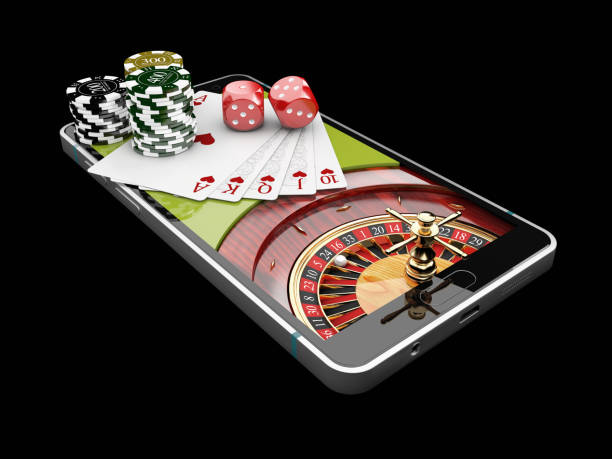
Join the Aviator Game Community
The Aviator Game stands at the forefront of modern gaming, offering thrilling experiences designed to captivate players. With its innovative gameplay mechanics, players can engage in exciting betting scenarios while striving for impressive multipliers. The vibrant community surrounding the game provides an engaging atmosphere where players can connect and share experiences, enhancing the overall enjoyment of the gaming journey.
Accessible on both desktop and mobile platforms, the Aviator Game ensures that players can immerse themselves in the excitement wherever they are. The intuitive interface promotes user-friendly navigation, making it easier for newcomers to join in on the fun. Additionally, the platform encourages responsible gaming practices, highlighting the importance of enjoying gambling in a safe and controlled manner.
As gambling continues to evolve, the Aviator Game exemplifies how traditional concepts can adapt to modern technology. By combining entertainment with a sense of community, the game reflects the historical evolution of gambling while embracing the future. Join the Aviator Game community and embark on an exhilarating adventure that celebrates the rich heritage of gambling.